Cataracts2026-02-23T21:58:34+13:00

Restore clearer vision affected by cataracts in Melbourne

Discover how modern cataract surgery replaces the clouded lens to help light focus clearly again

Restore clearer vision affected by cataracts in Melbourne

Discover how modern cataract surgery replaces the clouded lens to help light focus clearly again

With cataract surgery, many people experience clearer, brighter vision

Learn what cataracts are, why they develop, and how treatment may help improve everyday visual comfort and quality of life
  • Cataracts are very common, especially as people age. Most adults will develop some degree of cataract during their lifetime.
  • Cataracts typically affect people over the age of 60, but they can develop earlier due to factors such as diabetes, eye injury, or long-term medication use.
  • A cataract forms when the eye’s natural lens becomes cloudy, which can gradually reduce vision clarity.
  • Cataracts usually develop slowly and may affect one or both eyes.
  • Regular eye examinations help detect cataracts early and monitor how they change over time.
  • Cataracts are most often caused by natural ageing changes within the eye.
  • Over time, proteins in the lens break down and clump together, creating cloudy areas that affect vision.
  • Other factors can increase the risk of cataracts, including diabetes, smoking, excessive sun exposure, eye injuries, or previous eye surgery.
  • Certain medications, such as long-term steroid use, may also contribute.
  • Cataracts are not caused by eye strain or screen use.
  • While they cannot be reversed, their effects can be managed with appropriate treatment.
  • Cataracts are diagnosed during a comprehensive eye examination. Vision tests assess how clearly you see at different distances.
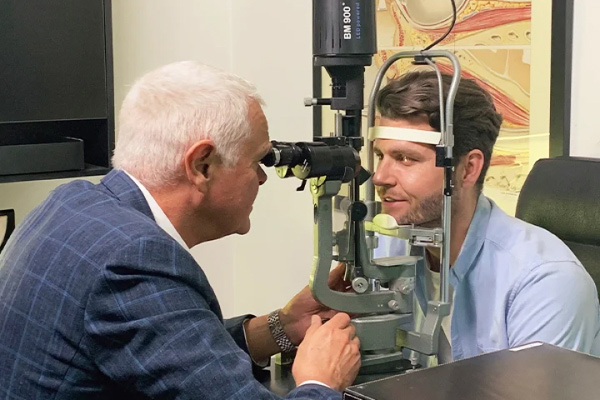
  • The eye is examined using specialised instruments that allow your clinician to view the lens and assess clouding. Additional tests may measure glare sensitivity and eye health.
  • These assessments help determine whether cataracts are present and how much they are affecting your vision.
  • Diagnosis also helps guide decisions about when treatment may be beneficial.
  • Regular eye checks are important, especially if you notice changes such as blurred or hazy vision.
  • Cataracts can only be treated with surgery.
  • Cataract surgery involves removing the clouded natural lens and replacing it with a clear artificial lens, called an intraocular lens.
  • Different lens options are available, including lenses designed to support distance vision, near vision, or a range of focus.
  • The choice of lens depends on your eye health, lifestyle, and visual goals.
  • Cataract surgery is a common procedure and is typically performed as day surgery.
  • A detailed assessment is required to discuss suitability, lens options, and expected outcomes.

Can cataracts go away on their own?
No. Cataracts do not improve without surgery.

When should cataracts be treated?
Treatment is usually considered when vision changes affect daily activities.

Is cataract surgery safe?
Cataract surgery is a commonly performed procedure, but all surgery carries some risks.

Will I still need glasses after cataract surgery?
This depends on the lens chosen and individual vision needs.

How long does recovery take?
Most people notice gradual improvement over days to weeks.

Clearer vision in 3 simple steps

Cataract treatment options can feel overwhelming. We make the process calm, clear, and easy to follow

Step 1: GET IN TOUCH

Cataracts are treated with surgery, but the type of treatment can vary. The first step is to book an assessment so we can understand your eyes and vision needs.
Step 2: WE’LL MEET

At your assessment, we carefully examine your eyes, explain your options, and answer your questions. You’ll leave with a clear understanding of what treatment may suit you best.

Step 3: ENJOY CLEARER VISION

After cataract surgery, many people report improvements in vision and reduced reliance on glasses. Everyday tasks such as reading and daily activities may feel easier again.

Take the first step toward clearer vision

Take the first step toward clearer vision

Book a free cataract assessment to learn how treatment may improve your vision and daily comfort

Get your questions answered about laser eye surgery in Melbourne

Explore expert insights and quick guides to help you understand treatment options, benefits, and what to expect right here in Melbourne

June is Cataract Awareness Month

Categories: News|

June is Cataract Awareness Month - to help educate the community about cataracts. About half of all Australians aged over 50 have some form of cataract and ageing is the most common cause.

Take this quick self-test to explore your cataract treatment options

Take this quick self-test to explore your cataract treatment options

In just 2 minutes, learn which cataract surgery options may suit your eyes, lifestyle, and vision needs

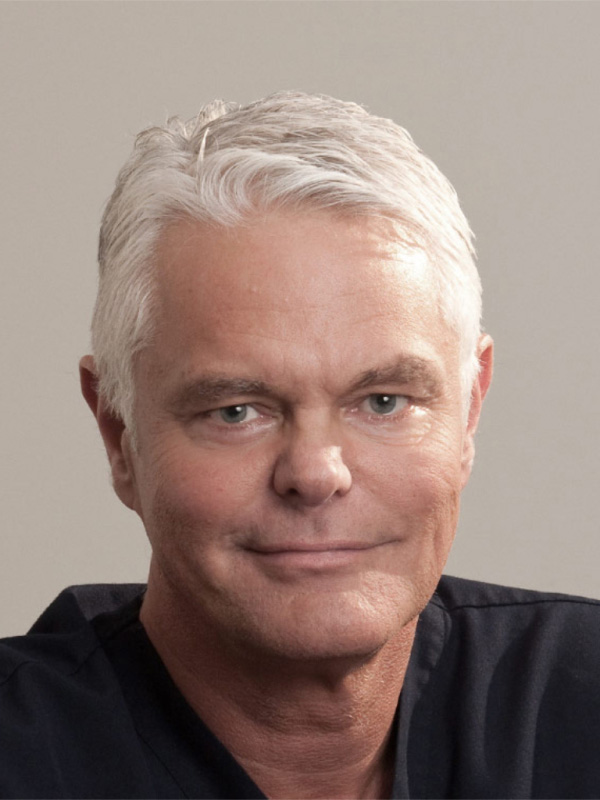
Hi, I’m Dr Rick Wolfe.

I’ve been performing laser vision correction and cataract surgery in Melbourne since 1991, with more than 30,000 procedures completed.

As a Fellow of RANZCO, I’ve dedicated my career to advancing eye surgery techniques in Australia and internationally.

I regularly share my knowledge at global conferences and founded the World College of Refractive Surgery and Visual Sciences to support excellence in our field.

My goal is simple: to provide safe, precise, and personalised care that helps people enjoy clearer vision.

Every patient is unique, and I take pride in tailoring treatment to individual needs.

Dr Rick Wolfe

Owner, Founder and Surgeon at Vista Eyes Laser Eye Clinic
Ophthalmologist and Laser Eye Surgeon, MB BS, FRANZCO, FWCRS
Go to Top