Cataract surgery Melbourne2026-01-23T05:57:26+13:00

Restore clearer vision with cataract surgery in Melbourne1https://www.sciencedirect.com/topics/medicine-and-dentistry/outcome-of-cataract

Discover how removing the cloudy natural lens and replacing it with a clear artificial lens could help improve vision affected by cataracts

Restore clearer vision with cataract surgery in Melbourne2https://www.sciencedirect.com/topics/medicine-and-dentistry/outcome-of-cataract

Discover how removing the cloudy natural lens and replacing it with a clear artificial lens could help improve vision affected by cataracts

With cataract surgery, many people experience clearer vision

Learn how cataract surgery works, who it may suit, and what to expect before, during, and after treatment

Cataract surgery is recommended when cataracts begin to interfere with daily activities such as reading, driving, or recognising faces.

Cataracts are a natural part of ageing and cannot be treated with glasses alone once vision becomes significantly affected.

During an eye assessment, your ophthalmologist will examine the health of your eyes, measure your vision, and confirm whether cataracts are present. Your general health, lifestyle needs, and visual goals are also considered.

If cataracts are affecting your quality of life, surgery may be recommended as the only effective treatment option.

Cataract surgery involves removing the eye’s cloudy natural lens and replacing it with a clear artificial lens called an intraocular lens.

The procedure is performed under local anaesthetic and usually takes less than 30 minutes.

A small opening is made in the eye, allowing the cloudy lens to be gently broken up and removed. The new lens is then placed into the same position.

The incision is designed to heal naturally without stitches.

Most people go home the same day and notice gradual improvement as the eye heals.

The main advantage of cataract surgery is improved vision once the cloudy lens is removed. Many people notice brighter colours, sharper detail, and less glare. Surgery may also reduce reliance on glasses, depending on the lens chosen3https://www.sciencedirect.com/topics/medicine-and-dentistry/outcome-of-cataract.

Cataract surgery is a common and well-established procedure. However, it is still surgery and requires recovery time.

Vision may take days or weeks to stabilise.

Some people may still need glasses after surgery.

Your ophthalmologist will explain the benefits and limitations during your consultation.

Cataract surgery is considered safe and effective, but like all medical procedures, it carries some risks. These may include infection, inflammation, changes in eye pressure, or swelling inside the eye.

Serious complications are uncommon. Most side effects, if they occur, are temporary and treatable. Your surgeon will discuss potential risks based on your eye health and medical history.

Careful assessment, modern surgical techniques, and follow-up care are used to reduce risks and support safe recovery.

Cataract surgery always involves replacing the cloudy lens, but different artificial lens options are available.

Some lenses are designed to give clear distance vision, while others may help reduce reliance on reading glasses.

The most suitable lens depends on your eye health, daily activities, and visual goals.

During your assessment, your ophthalmologist will explain the available lens options and help you understand the potential benefits and limitations of each choice.

Your journey begins with a detailed eye assessment to confirm cataracts and plan treatment.

On the day of surgery, your eye is numbed with drops, and you remain awake but comfortable.

The cloudy lens is removed and replaced with a clear artificial lens.

The procedure usually takes less than 30 minutes. After surgery, you rest briefly before going home the same day.

Follow-up appointments monitor healing and vision changes. Most people return to normal activities within days, following their surgeon’s guidance.

Vision often improves within days, with continued improvement over several weeks as the eye heals.

Some people find they rely less on glasses, while others may still need them for certain tasks.

Results vary depending on individual eye health and lens choice.

Regular follow-up care helps ensure the best possible outcome and long-term eye health.

Clearer vision in 3 simple steps

Cataract treatment options can feel overwhelming. We make the process calm, clear, and easy to follow

Step 1: GET IN TOUCH

Cataracts are treated with surgery, but the type of treatment can vary. The first step is to book an assessment so we can understand your eyes and vision needs.
Step 2: WE’LL MEET

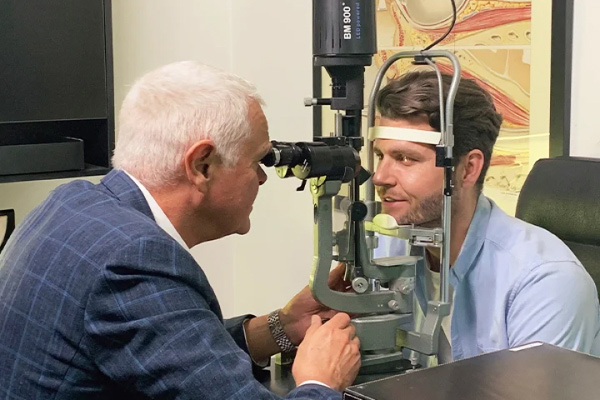
At your assessment, we carefully examine your eyes, explain your options, and answer your questions. You’ll leave with a clear understanding of what treatment may suit you best.

Step 3: ENJOY CLEARER VISION

After cataract surgery, many people report improvements in vision and reduced reliance on glasses. Everyday tasks such as reading and daily activities may feel easier again.

Take the first step toward clearer vision

Take the first step toward clearer vision

Book a free cataract assessment to learn how treatment may improve your vision and daily comfort

Get your questions answered about laser eye surgery in Melbourne

Explore expert insights and quick guides to help you understand treatment options, benefits, and what to expect right here in Melbourne
Take this quick self-test to explore your cataract treatment options

Take this quick self-test to explore your cataract treatment options

In just 2 minutes, learn which cataract surgery options may suit your eyes, lifestyle, and vision needs

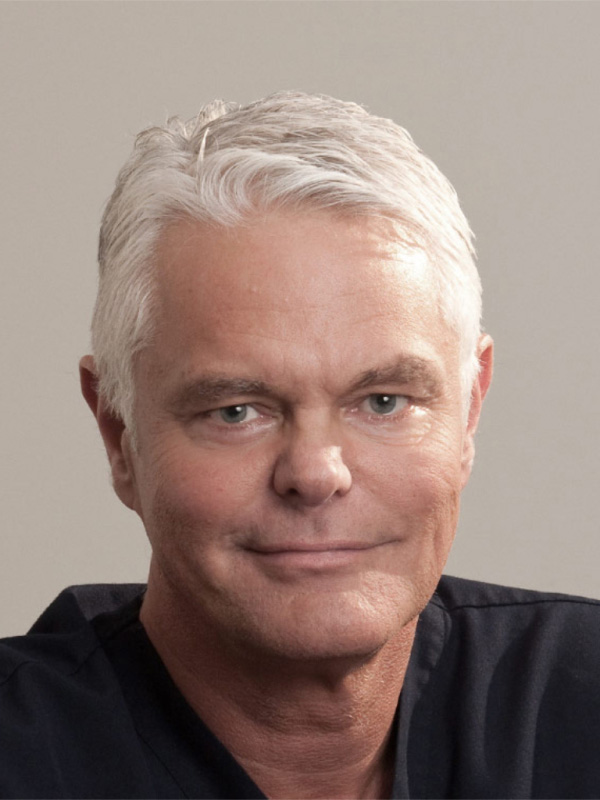
Hi, I’m Dr Rick Wolfe.

I’ve been performing laser vision correction and cataract surgery in Melbourne since 1991, with more than 30,000 procedures completed.

As a Fellow of RANZCO, I’ve dedicated my career to advancing eye surgery techniques in Australia and internationally.

I regularly share my knowledge at global conferences and founded the World College of Refractive Surgery and Visual Sciences to support excellence in our field.

My goal is simple: to provide safe, precise, and personalised care that helps people enjoy clearer vision.

Every patient is unique, and I take pride in tailoring treatment to individual needs.

Dr Rick Wolfe

Owner, Founder and Surgeon at Vista Eyes Laser Eye Clinic
Ophthalmologist and Laser Eye Surgeon, MB BS, FRANZCO, FWCRS
Go to Top